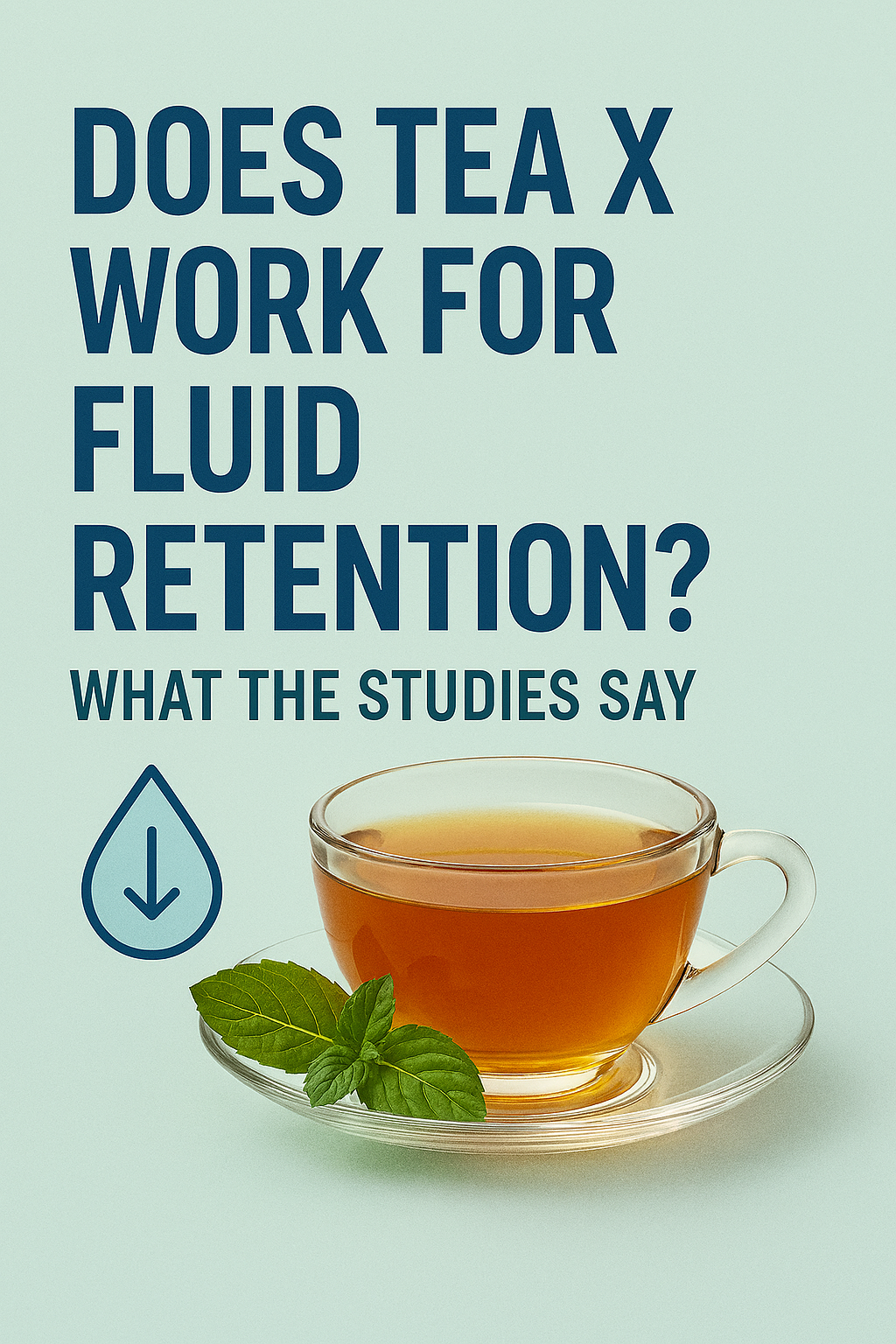
Does Tea X Work for Water Retention? What Do Studies Say
Water retention is annoying, right? It causes swelling, a heavy feeling, and a lot of discomfort—especially in the legs, hands, and abdomen. The body ends up holding excess fluid for many reasons, such as a high-salt diet, hormonal changes, lack of physical activity, and even kidney or heart conditions. But before trying everything people recommend, it’s important to understand what truly works, according to science.
People who want to get rid of this discomfort often turn to diuretic teas. The idea is that they make you urinate more and help flush out excess water. The most popular ones include horsetail tea, hibiscus tea, green tea, parsley tea, and dandelion tea. These names frequently appear in health articles and tips as natural solutions to reduce bloating.
So, what do scientists say?
The truth is that, despite all the talk about these teas, there is limited scientific evidence to support their effectiveness. Experts say that some herbs may contain compounds that slightly stimulate urine production, which can help eliminate fluids. However, there are very few well-designed studies showing that these teas actually reduce water retention in a meaningful way when compared to medical treatments recommended by doctors.
Many respected physicians point out that although plants like dandelion, ginger, and parsley are traditionally known as diuretics, research does not clearly prove that they truly work in humans. In other words, you might feel some relief when drinking these teas, but there is no guarantee they will work for everyone.
Why is there so much talk about it?
The belief that tea helps reduce water retention is often linked to the feeling of going to the bathroom more frequently after drinking it. This gives the impression that excess fluid is being eliminated, but it doesn’t necessarily mean the underlying cause of the problem is being treated. What actually helps regulate fluid balance in the body is proper hydration, reducing salt intake, exercising regularly, and maintaining a healthy weight. Health professionals consistently recommend these habits because they are scientifically proven to work.
Hold on!
Even though they are natural, diuretic teas are not risk-free. Drinking them in excess can lead to the loss of important electrolytes, such as potassium and sodium. This may cause weakness, muscle cramps, and other complications—especially for people who already take diuretic medications or have underlying health conditions. That’s why, before making any tea a daily habit, it’s best to consult a doctor or a registered dietitian. They can identify the cause of the water retention and recommend the safest and most effective treatment.
In summary
Yes, some diuretic teas may help increase urine output, but science does not guarantee that they are a definitive solution for water retention. They can be used as a complementary approach to a healthier lifestyle—moderately and with professional guidance—but they should never replace medical evaluation, especially if water retention is frequent, severe, or accompanied by other symptoms.
References
-
ABCMed – Diuretic teas: what they are and how they work
Explains what diuretic teas are and warns that they do not treat the root cause of water retention, emphasizing the importance of consulting a health professional before regular use.
🔗 https://www.abc.med.br/p/vida-saudavel/1482470/chas-diureticos-o-que-sao-e-como-funcionam.htm -
Seleções (IG) – Popular teas used to reduce water retention
Lists commonly used diuretic teas such as green tea, horsetail tea, and hibiscus tea.
🔗 https://selecoes.ig.com.br/saude/5-chas-diureticos-para-acabar-com-a-retencao-de-liquidos/ -
Biology Insights – What tea is good for water retention?
Describes teas such as hibiscus, green tea, and parsley that have diuretic properties recognized in some studies and may increase urine production.
🔗 https://biologyinsights.com/what-tea-is-good-for-water-retention/ -
Mayo Clinic – Medical perspective on natural diuretics
Explains that some herbs are considered diuretics in theory, but there is limited robust scientific evidence proving their effectiveness in humans, and advises consulting a healthcare professional.
🔗 https://www.mayoclinic.org/healthy-lifestyle/weight-loss/expert-answers/water-retention/faq-20058063


Você pode gostar
HOW TO CHOOSE THE RIGHT PRODUCTS FOR YOUR SKIN TYPE