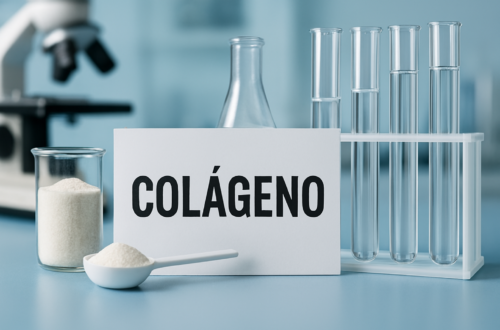
Premature Aging and Daily Habits
Aging is a natural and inevitable process of the human body, marked by progressive physiological changes over time. However, when these signs appear earlier than expected—such as deep wrinkles, skin sagging, dark spots, constant fatigue, hair loss, and loss of vitality—it is referred to as premature aging. Unlike chronological aging, which depends mainly on age and genetics, premature aging is strongly associated with daily habits and lifestyle choices adopted over the years.
One of the main factors contributing to this process is poor nutrition. Diets high in sugars, saturated fats, ultra-processed foods, and low in vitamins, minerals, and antioxidants promote chronic inflammation in the body and increase oxidative stress. The free radicals generated in this context damage cells, accelerating the degradation of collagen and elastin—proteins essential for skin firmness and elasticity. On the other hand, a balanced diet rich in fruits, vegetables, legumes, whole grains, quality proteins, and healthy fats acts as a protective factor against cellular aging.
Another extremely relevant habit is excessive sun exposure without adequate protection. Ultraviolet radiation is considered one of the main external causes of premature skin aging, a phenomenon known as photoaging. Frequent sun exposure without the use of sunscreen contributes to the appearance of wrinkles, dark spots, loss of elasticity, and even precancerous lesions. Daily use of sunscreen, even on cloudy days, is one of the most effective measures to delay signs of skin aging.
Smoking also has a significant impact on premature aging. The toxic substances present in cigarettes reduce tissue oxygenation, impair blood circulation, and accelerate collagen breakdown. Smokers tend to have dull, wrinkled, lifeless skin, in addition to a greater propensity for systemic aging and the development of chronic diseases. Similarly, excessive alcohol consumption contributes to skin dehydration, nutritional imbalances, and inflammation, worsening the signs of aging.
Sleep deprivation is another often overlooked factor. During deep sleep, the body carries out essential processes of cellular repair, hormone production, and tissue regeneration. Sleeping too few hours or having poor-quality sleep interferes with these mechanisms, promoting the appearance of dark circles, sagging skin, reduced immunity, and accelerated aging. Maintaining a regular and restorative sleep routine is essential for skin health and overall well-being.
In addition, chronic stress plays a central role in premature aging. Constant stressful situations raise cortisol levels—a hormone that, in excess, contributes to collagen breakdown, increased inflammation, and cellular aging. Stress is also associated with harmful habits such as poor diet, physical inactivity, and sleep disturbances, creating a negative cycle for health. Strategies such as regular physical activity, meditation, leisure, and emotional balance are important allies in preventing premature aging.
Sedentary behavior, in turn, compromises blood circulation, metabolism, and tissue oxygenation, while also promoting weight gain and the development of metabolic diseases. Regular physical exercise improves cardiovascular health, stimulates the production of beneficial hormones, reduces stress, and contributes to a younger and healthier appearance.
In summary, although aging is inevitable, the speed at which it occurs can be significantly influenced by daily choices. Healthy habits—such as a balanced diet, sun protection, adequate sleep, stress management, regular physical activity, and the avoidance of harmful addictions—not only delay visible signs of aging but also promote better quality of life, well-being, and longevity. Taking a holistic approach to body care is an investment that reflects both in appearance and in health over the years.
Bibliografia com Links de Referência
KIRKWOOD, T. B. L. Understanding the odd science of aging. Cell, v.120, n.4, 2005.
🔗 DOI oficial: https://doi.org/10.1016/j.cell.2005.01.027 — Resumo e detalhes da versão publicada CoLab
PubMed (abstract): https://pubmed.ncbi.nlm.nih.gov/15734677/ PubMed
FARAGE, M. A.; MILLER, K. W.; ELSNER, P.; MAIBACH, H. I. Intrinsic and extrinsic factors in skin ageing. International Journal of Cosmetic Science, 30(2):87–95, 2008.
🔗 Versão arquivada com DOI: https://doi.org/10.1111/j.1468-2494.2007.00415.x archive.ph
PubMed (resumo): https://pubmed.ncbi.nlm.nih.gov/18377617/ PubMed
POLJSAK, B.; DAHMANE, R. Free radicals and extrinsic skin aging. Dermatology Research and Practice, 2012.
🔗 PubMed – resumo do artigo relacionado ao tema (oxidative stress e envelhecimento cutâneo):
https://pubmed.ncbi.nlm.nih.gov/22505880/ PubMed
(Observação: o link direto ao texto completo de Poljsak & Dahmane 2012 pode exigir acesso por biblioteca ou base de dados científica; o PubMed acima traz o resumo oficial.)
RUSSELL-GOLDMAN, E.; MURPHY, G. F. The pathobiology of skin aging. Journal of Pathology, 2020.
🔗 Este artigo específico não está disponível gratuitamente em repositórios abertos; você pode acessá-lo via bibliotecas universitárias ou bases de periódicos científicas (ex.: Wiley/Elsevier).
Resumo e temas relacionados ao envelhecimento cutâneo estão discutidos em fontes como esta:
https://www.sciencedirect.com/science/article/pii/S1568163715000033 (oxidative processes e aging) ScienceDirect
Organização Mundial da Saúde (OMS) – Healthy ageing and lifestyle factors
🔗 WHO – Ageing and health (folha informativa oficial) – informações sobre envelhecimento saudável, fatores de estilo de vida e prevenção:
https://www.who.int/news-room/fact-sheets/detail/ageing-and-health Organização Mundial da Saúde
🔗 WHO – Healthy ageing and functional ability – definição e orientação oficial sobre envelhecimento saudável:
https://www.who.int/news-room/questions-and-answers/item/healthy-ageing-and-functional-ability

Você pode gostar
Ácido hialurônico: benefícios para mulheres acima dos 30 anos
Relação entre intestino preso e aparência da pele: implicações da saúde intestinal na integridade cutânea